What is Machine Translation Post-Editing?
The more widely used terms are machine translation, post-editing, and MTPE; however, some refer to it as post-editing machine translation (PEMT).
MTPE is a translation process where a human editor proofreads the output after a document has been translated by a machine translation (MT) engine.
To address the problem of excessive demand in the translation industry, MTPE could be viewed as a hybrid or even a cyborg answer. MTPE combines human expertise with machine efficiency to deliver a fast and economical solution while upholding a specific level of output quality.
Types of MTPE
You probably don’t know what to expect from MTPE translation services if you don’t know much about the industry. You can believe that human translation is superior to MTPE or that there is no difference between the two.. Well, neither is wrong. Different kinds of post-editing have different outcomes.
There are two kinds of post-editing services that you may get from reputable machine translation services in India: light post-editing and comprehensive post-editing.
Light Post Editing
Certified MTPE services in India can make a text comprehensible by lightly altering it. A human translator proofreads the content to correct any grammatical errors and explain any unclear or inaccurate words after the text has been translated by a machine translation method.
Because a machine cannot do every task as well as a human, machine translation may be of lesser quality than that of a human translator. However, the machine translation post-editing (MTPE) procedure makes up for these drawbacks by providing faster and more economical delivery. For short-term internal needs, using an MTPE translation service is a great option.
Full Post Editing
When you work with reputable MTPE translation services, their process is more comprehensive and includes proofreading, clarification, and mostly changes to make sure the material can be read naturally, as a human-translated text. Throughout the editing process, the post-editor will uphold a consistent tone and style as well as perfect word and phrase accuracy. In addition, it frequently involves a human translator assuming responsibility for language and cultural subtleties that machine translation often misses.
Understanding Machine Translation
The use of artificial intelligence (AI) to automatically translate text between languages is known as machine translation (MT). Tools like DeepL and Google Translate have become more accurate in recent years due to developments in neural machine translation (NMT).
Speed and Efficiency
Because computers perform the majority of the work and people refine it, post-edited machine translation is faster than human translation. Due to the meticulous effort that translators put into ensuring the highest quality, human translation will be the slowest translation process. Raw machine translation is the option for the quickest translation procedure. However, it consistently compromises quality even if it offers rapid and instantaneous translations.
Why Human Translation Still Matters
Human translators are still necessary for sophisticated, high-quality communication despite the growth of technology. Machines just cannot match the profound linguistic proficiency, cultural awareness, and subject-matter expertise that professional translators bring to the table.
Tone, regional accents, and the content’s goal are all taken into account by human translators. In order to make the finished content read naturally rather than like a direct, robotic translation, they modify messaging to appeal to the target audience. When translating emotionally charged information, such ads, instructional materials, or legal documents, this is particularly crucial.
Human Translation:
Human Translation is the oldest form of translation. Translation from the source language into the target language and domain is the process. Expert translators can spot mistakes and handle creative text that uses idioms, emotions, and acronyms, which helps companies and brands grow in the international market. The most effective way to translate any kind of content, including documents, websites, gaming apps, ads, etc., is using HT.
The Main Benefit of Human Translation
Effective translation requires a thorough awareness of cultural differences. Because of their extensive understanding of cultural quirks, human translators are able to modify information for the intended audience in a way that feels appropriate and natural.
They are able to recognise and steer clear of cultural blunders, guaranteeing that your message is precise and suitable for the target culture. This knowledge is crucial for establishing trust and creating deep connections with a variety of consumers in different languages and geographical areas.
MTPE vs. Raw MT and Human Translation
After discussing the human and raw machine translations provided by reputable MTPE translation services, let’s examine the differences between these and post-machine translation editing. Here’s a quick glance at the key distinctions between them:
Comparing Human vs Machine Translation
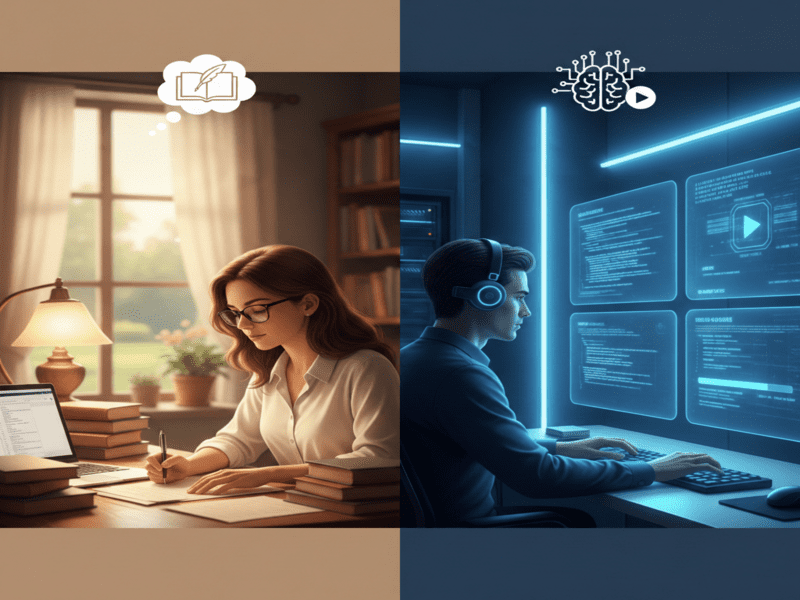
The debate between human and machine translation is about what works best for the particular task at hand rather than which is generally superior. While human translation gives accuracy and cultural relevance, machine translation delivers speed and cost-effectiveness.
For instance, human accuracy might not be necessary when translating product data sheets or internal training materials for your international staff. The task might be completed swiftly and extensively by machine translation. However, translating a contract, a patient permission form, or a business brochure requires emotional resonance, clarity, and accuracy—areas in which human translators excel.
These days, a lot of companies are using hybrid translation procedures, which incorporate the advantages of both. The first draft is created by machine translation, and post-editing is the process by which qualified translators polish and correct the content. Speed, cost, and quality are all balanced in this method.
Final Thoughts
It is not a binary choice to choose between human and machine translation. Your audience, industry, content genre, and company objectives all play a role. When it comes to subtlety, accuracy, and emotional resonance, human translation is indispensable, even while machine translation is appropriate for brief, casual, or internal papers.
Super DTP Ltd is a specialised desktop publishing agency located in Gabrovo, Bulgaria, offering book publishing, multilingual DTP, and E-learning localisation services to translation agencies and localisation companies worldwide! Check our services at www.superdtp.com or contact us at dtp.bulgaria@gmail.com for further details.